When a title or thumbnail hides the reason to watch, viewers may scroll past. I study your video and build focused title and thumbnail concepts around its strongest idea.
The broad job-offer promise became three different entry points: a hidden list, the cost of waiting for a recruitment mission, and experience that can start before moving.
WHY
The video presents seven platforms and distinguishes remote work, in-person opportunities, and career experience. Each direction uses a different supported part of that discussion.
These three directions were selected across separate reviewed revisions; they were not run as one live A/B/C test.
THE CAPTURED ORIGINALTHREE DIRECTIONS
3 things to fix
ORIGINALCaptured source
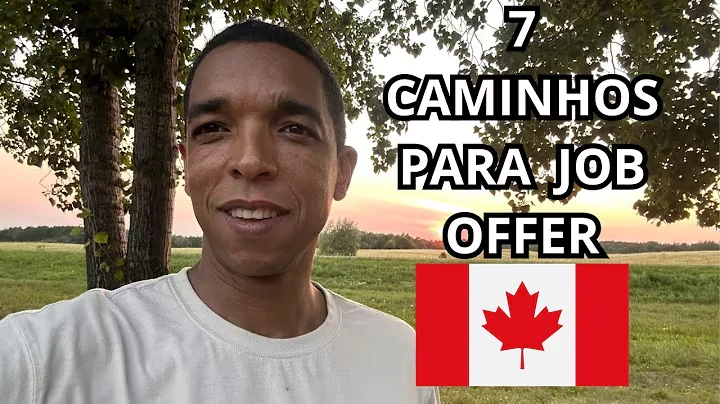
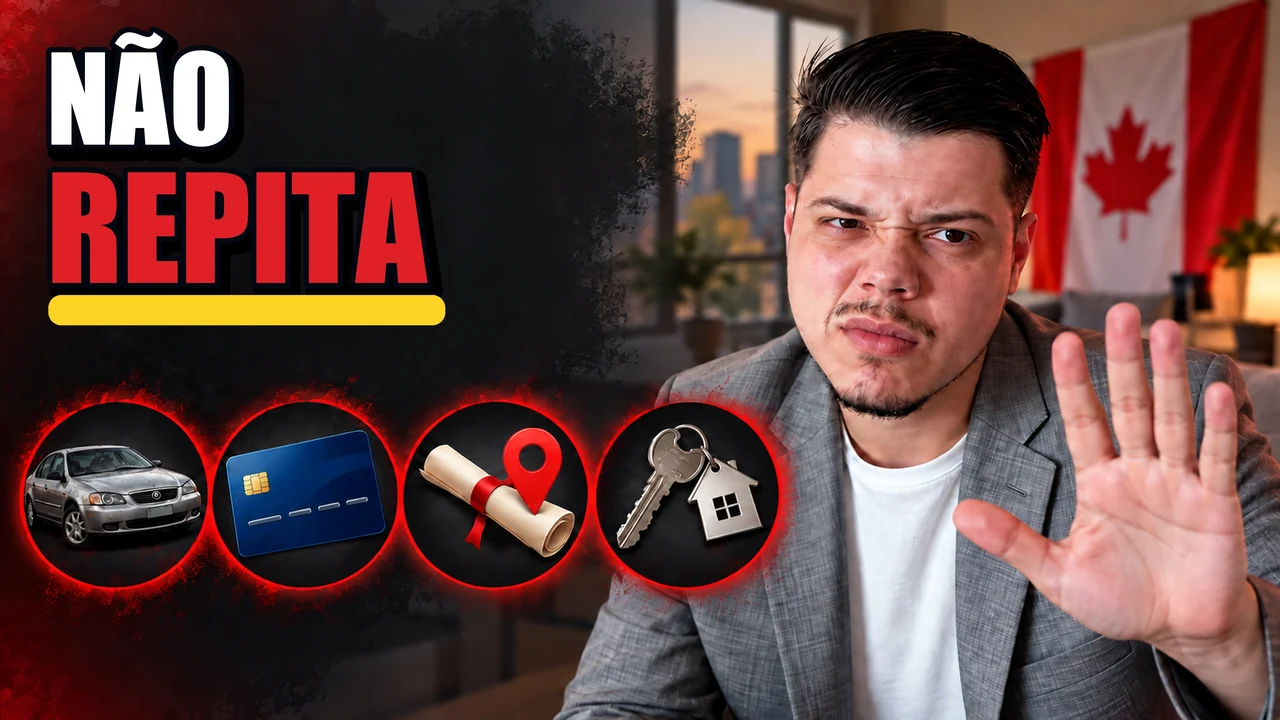
7 Plataformas para você conquistar sua Job Offer estando no Brasil
Three issues in the original
01
A broad promise
“7 CAMINHOS” is broader than the seven platforms in the video.
02
No first action
“JOB OFFER” names the goal without showing a search route.
03
A generic cue
The flag takes space that could show a platform or job search.
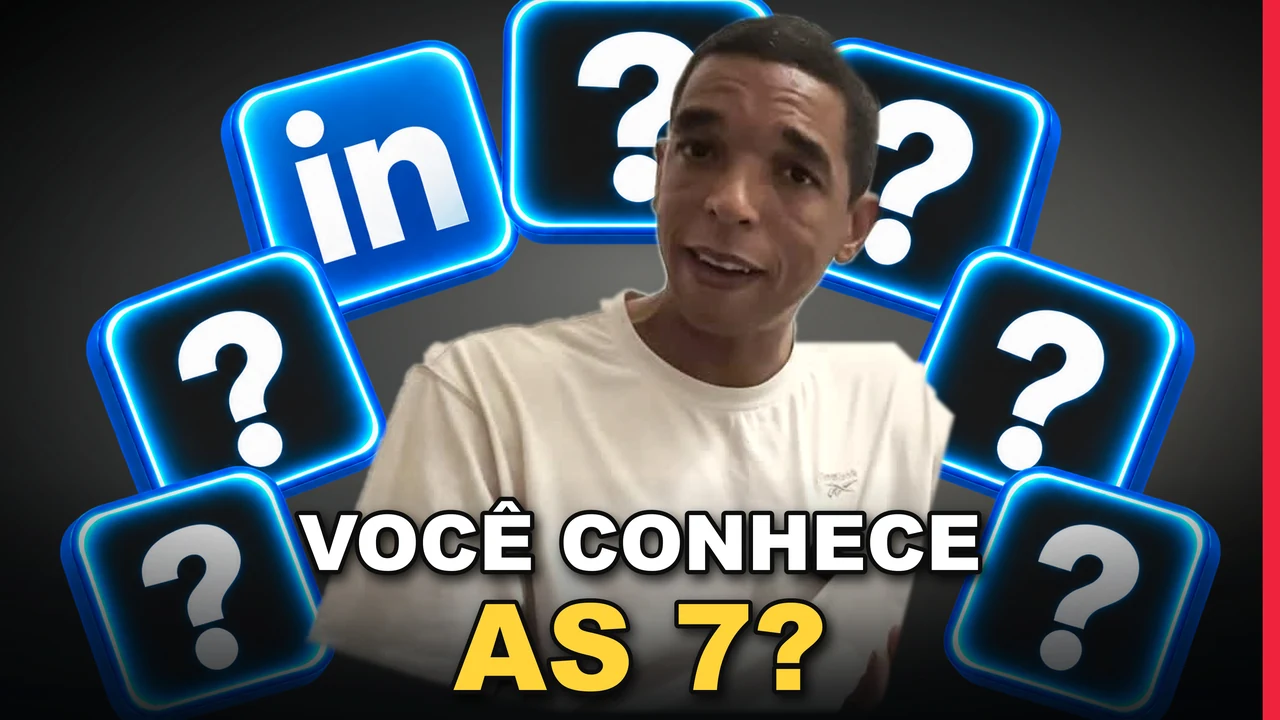
one known, six to discover
CONCEPT AR15 A
7 plataformas para buscar vagas no Canadá ainda no Brasil
The hidden list
Change. One familiar platform cues the topic while the other six stay open.
Why. The title gives the practical Canada-from-Brazil context; the image leaves a clear question.
a route beyond the mission
CONCEPT BR17 B4-v3
Não espere a próxima missão: 7 plataformas para buscar vagas no Canadá
The waiting trap
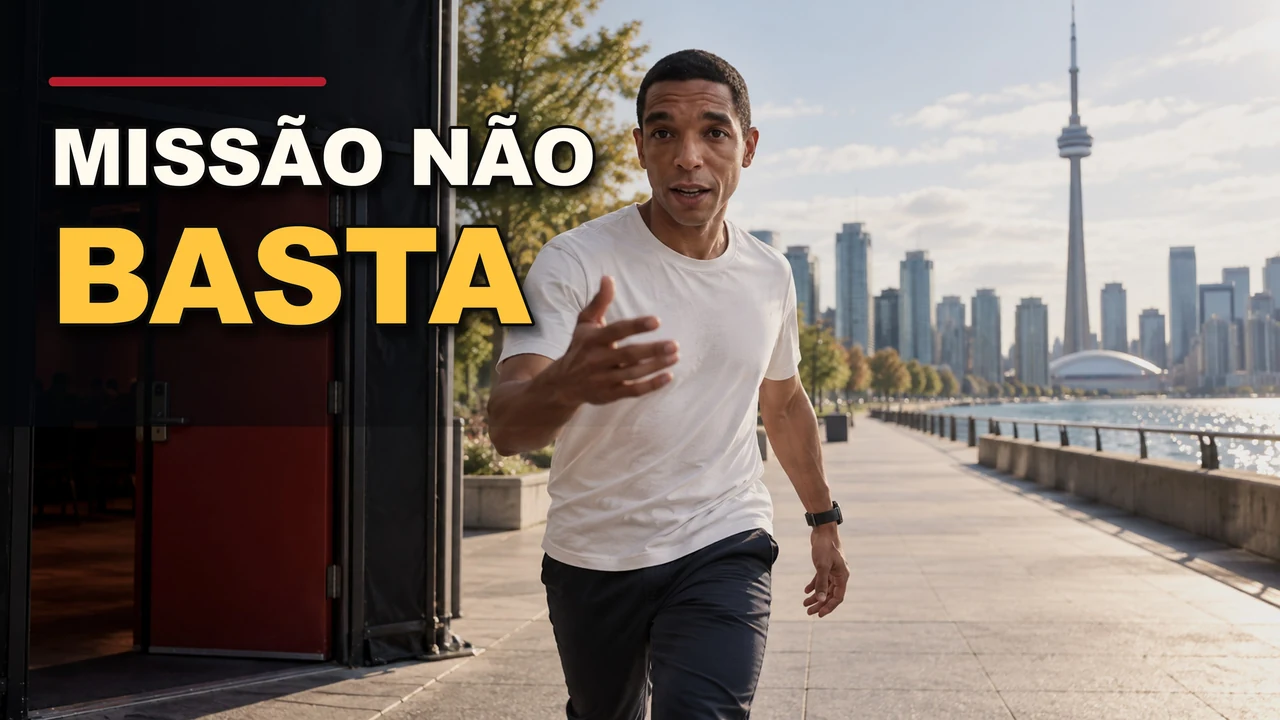
Change. A time-bound recruitment mission becomes the tension; the title offers seven ongoing search routes.
Why. The video treats missions as occasional and the platforms as options people can explore in between.
the résumé payoff
CONCEPT CR18 C5, user-selected
Como ganhar experiência com empresas canadenses ainda no Brasil
Progress before arrival
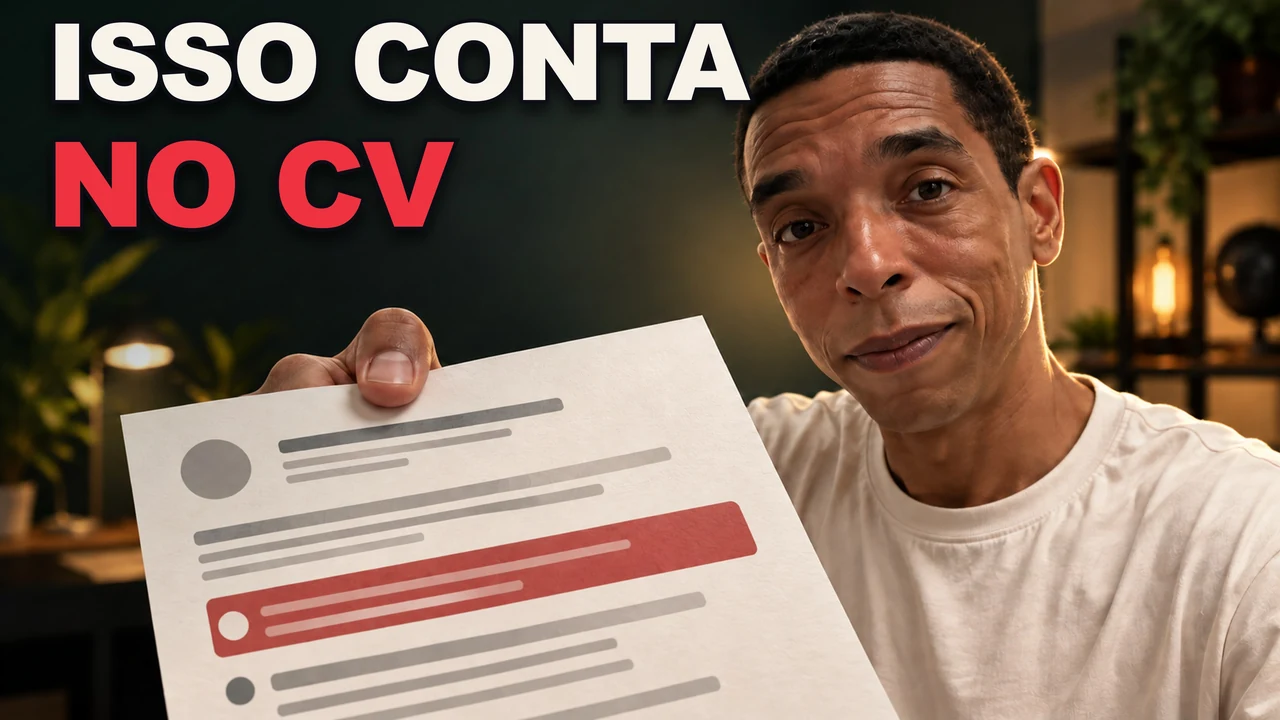
Change. The frame moves from finding a vacancy to gaining work experience for a résumé before relocation.
Why. It follows the video’s career-experience point without suggesting immigration credit or a job guarantee.
The general résumé topic became three concrete problems: an overlong document, literal translation, and a résumé that fails to match a vacancy.
WHY
The video discusses five mistakes, including length, translation and wording, and tailoring to a job. The designs make one of those ideas visible at a time.
THE CAPTURED ORIGINALTHREE DIRECTIONS
3 things to fix
ORIGINALCaptured source
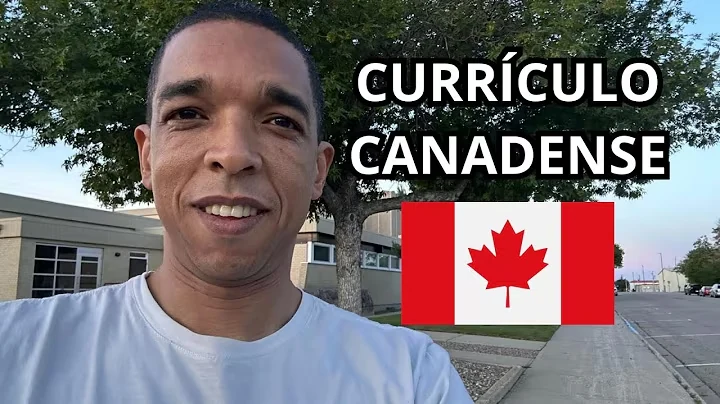
How to format your resume for the CANADIAN standard.
Localized title captured at the source snapshot; the original Portuguese wording was not verified.
Three issues in the original
01
Only the topic
“CURRÍCULO CANADENSE” does not name any of the five mistakes.
02
A flag, not a résumé
The flag repeats Canada without showing the document at issue.
03
Unrelated backdrop
The street scene adds no visible format, wording, or vacancy cue.
make the first error tangible
CONCEPT AR08 A
Currículo canadense: 5 erros que podem eliminar sua candidatura
A visible length problem
Change. A simple “1 PÁGINA” cue turns document length into a visible question.
Why. Length is one of the five issues the video covers; the title keeps the larger list in view.
translation is not adaptation
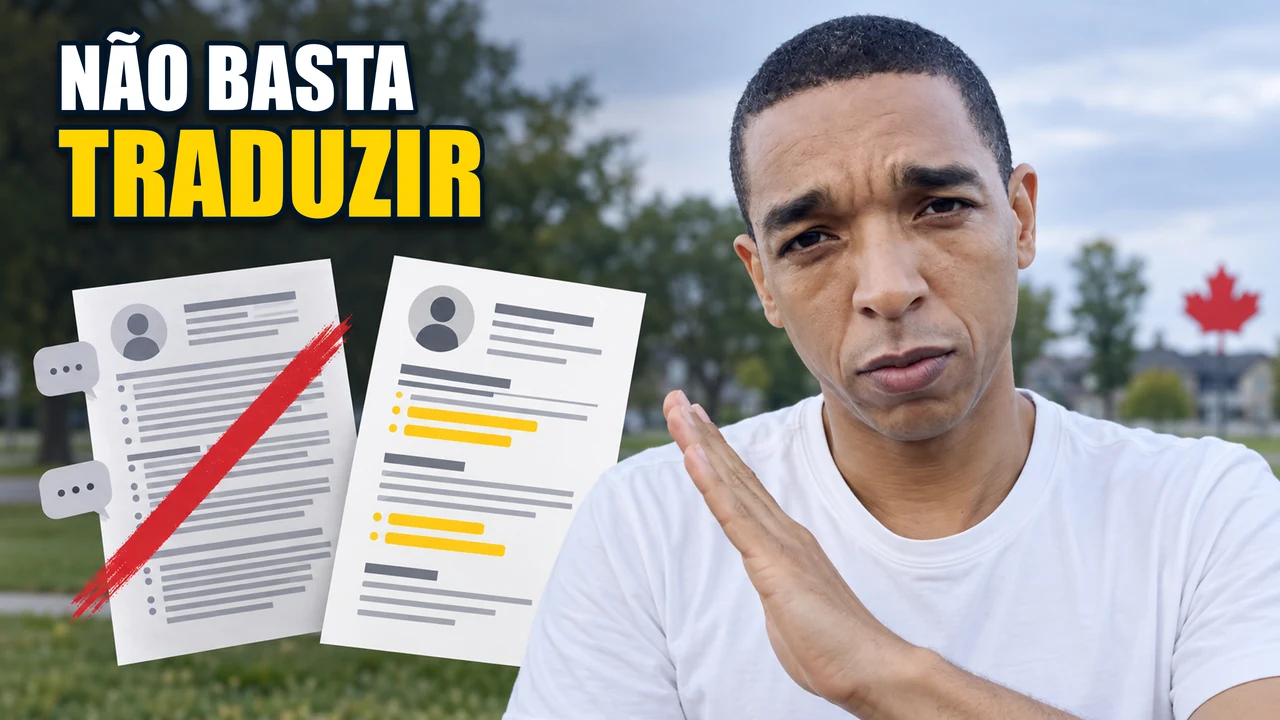
CONCEPT BR08 B
Traduzir não basta: 5 erros no currículo para o Canadá
Beyond translation
Change. The image challenges the idea that translating a document finishes the job.
Why. The video explains that format and wording need adaptation beyond a direct translation.
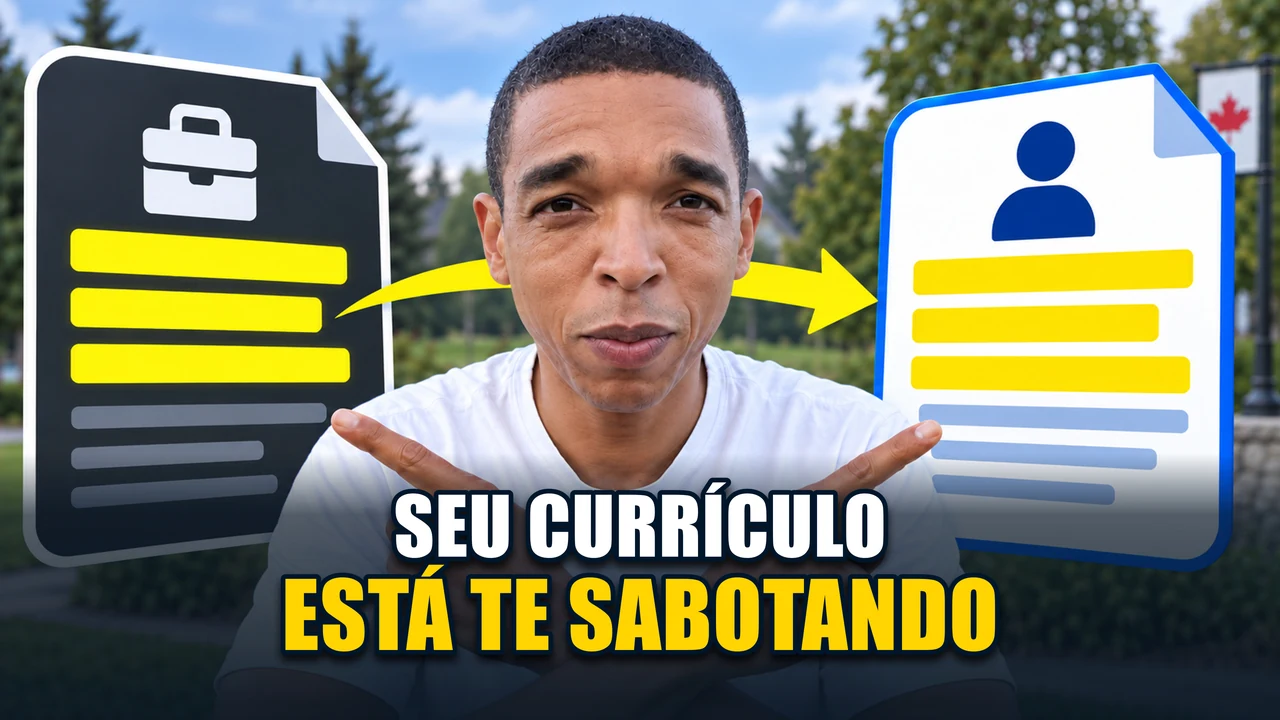
one clear relationship
CONCEPT CR08 C, recommended
Como adaptar seu currículo para cada vaga no Canadá: 5 erros a evitar
Match the vacancy
Change. The vacancy-to-résumé arrow shows the missing relationship between a role and an application.
Why. Tailoring the résumé to vacancy keywords is discussed in the video; the title supplies the exact task.
A broad surprise about car costs became a precise annual insurance figure, a purchase-to-cost story, and an insurer-comparison decision.
WHY
The creator recounts buying a first car, calling several insurers, and paying roughly CAD 2,800–2,900 for the year. Each pair emphasizes a different part of that experience.
THE CAPTURED ORIGINALTHREE DIRECTIONS
3 things to fix
ORIGINALCaptured source
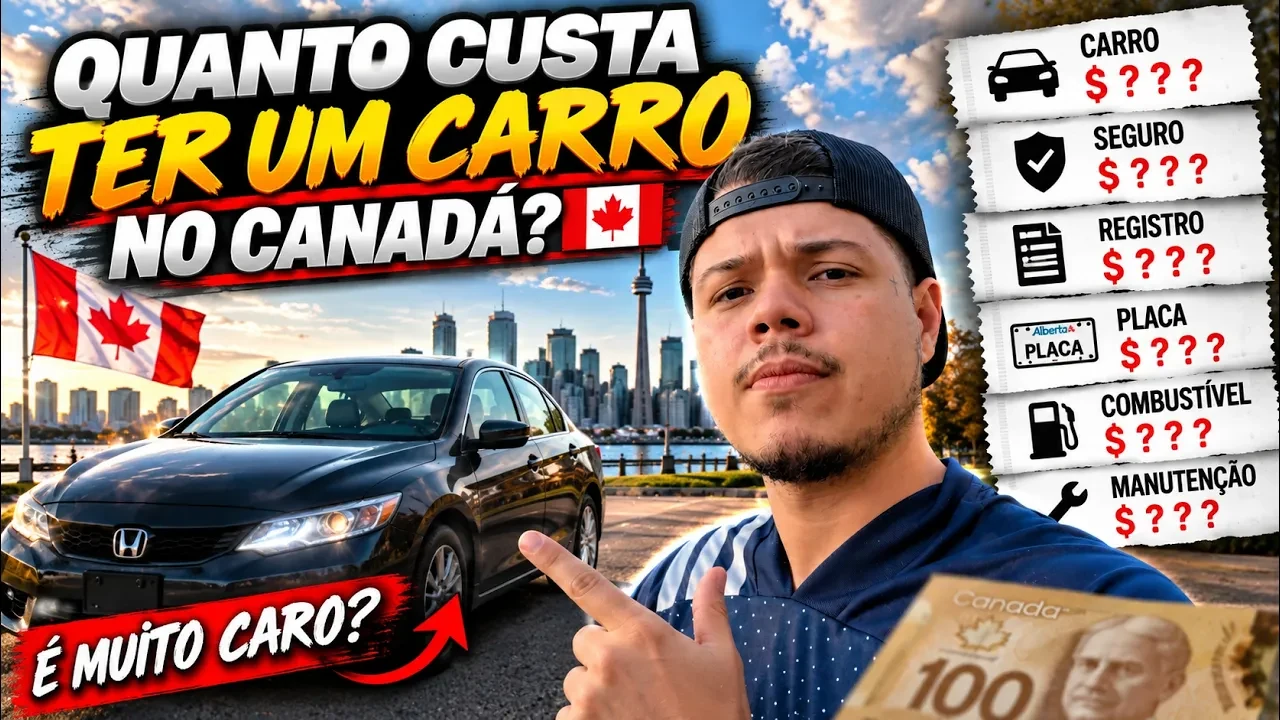
COMPREI UM CARRO NO CANADÁ… MAS NÃO ESPERAVA ESSES GASTOS!
Three issues in the original
01
A broad headline
The large cost question hides the specific first-car surprise.
02
Too many questions
Six expense rows with question marks compete for attention.
03
A second hook
“É MUITO CARO?” repeats the question instead of adding an answer.
a cost you can grasp
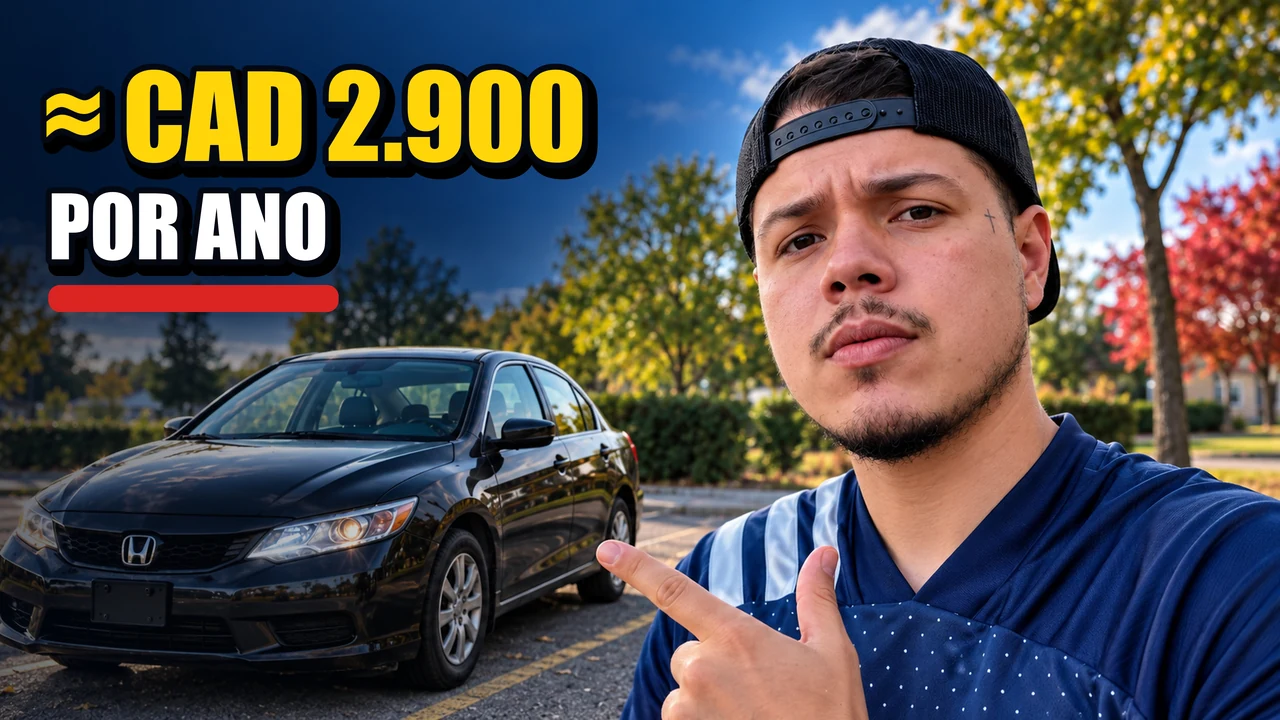
CONCEPT AR01 A-r01
O Seguro do Meu Primeiro Carro no Canadá Custou Quase CAD 3 Mil
The concrete number
Change. The annual insurance amount replaces a vague “unexpected costs” tease.
Why. The rounded figure reflects the creator’s account and gives viewers a specific planning question.
the next beat of the story
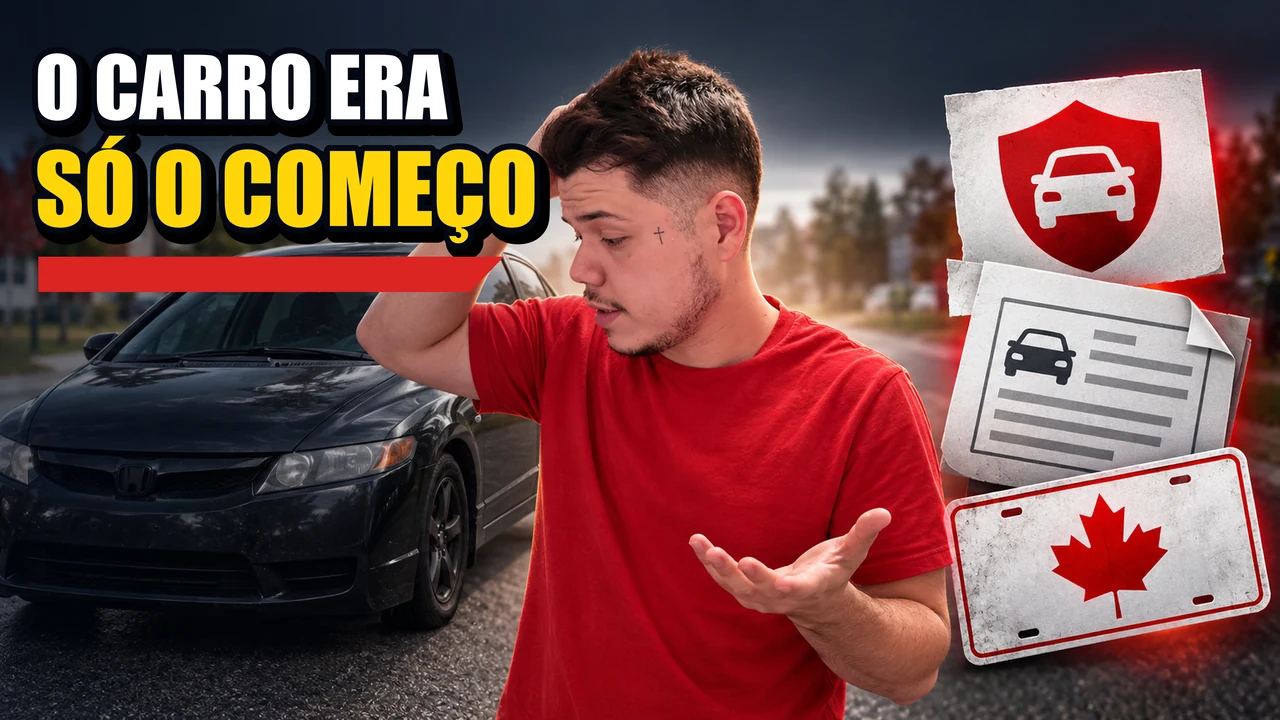
CONCEPT BR01 B-r01
Comprei Meu Primeiro Carro no Canadá — e Só Então Vieram Estes Gastos
After the purchase
Change. The packaging makes the purchase the start of a cost story rather than the whole story.
Why. The video moves from getting the car into insurance and registration expenses.
several quotes → one choice
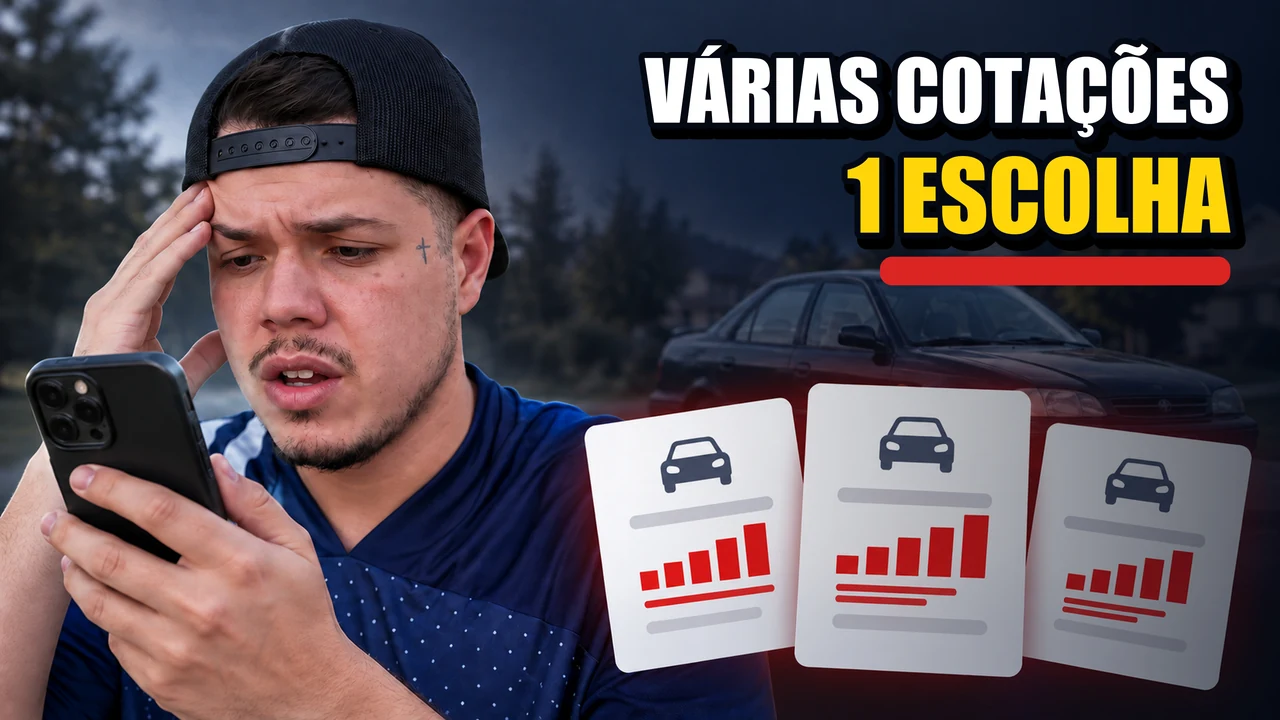
CONCEPT CR01 C-r02, recommended
Comparei Várias Seguradoras no Canadá — Quanto Acabei Pagando
The decision process
Change. Stylized comparison cards replace a single price reveal.
Why. The creator describes calling several insurers before choosing one; the cards are an illustration, not measured quote data.
A crowded list of things to do differently became three cleaner ways into the same personal story: warning, hindsight, and a constructive reset.
WHY
The video names four decisions the presenter would change. The alternatives keep that first-person perspective while changing how quickly the viewer understands the promise.
THE CAPTURED ORIGINALTHREE DIRECTIONS
3 things to fix
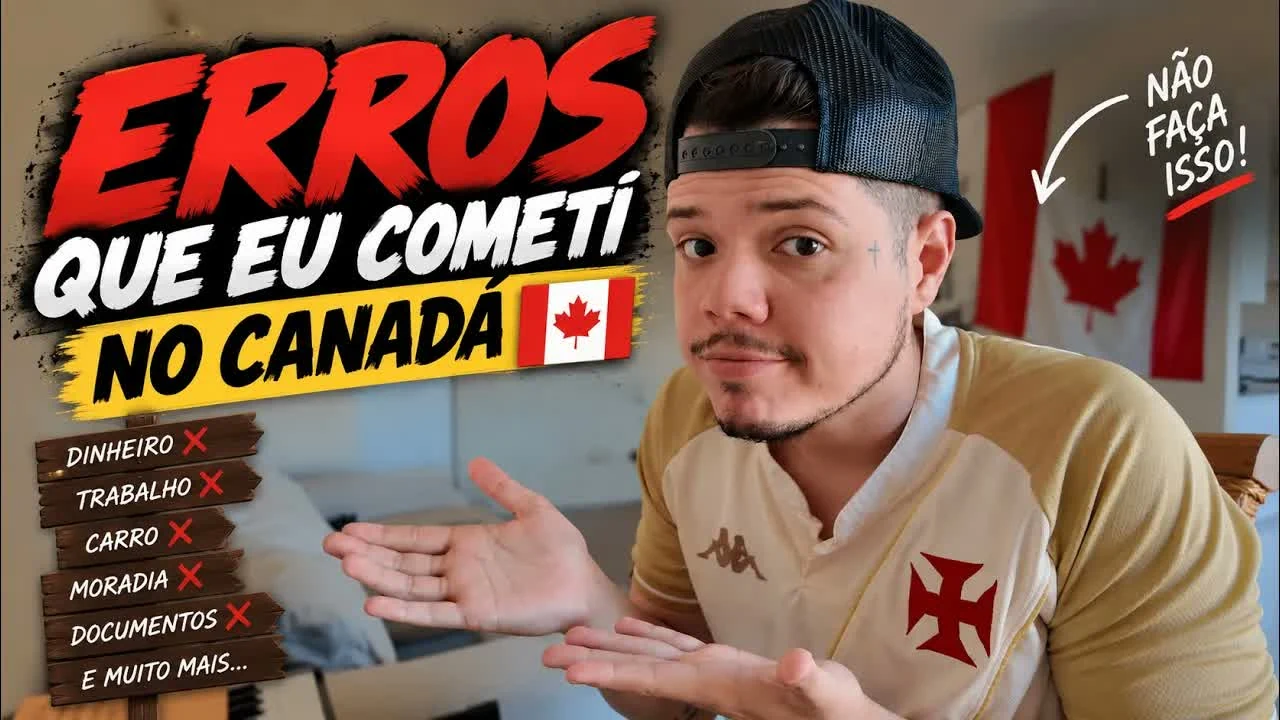
ORIGINALCaptured source
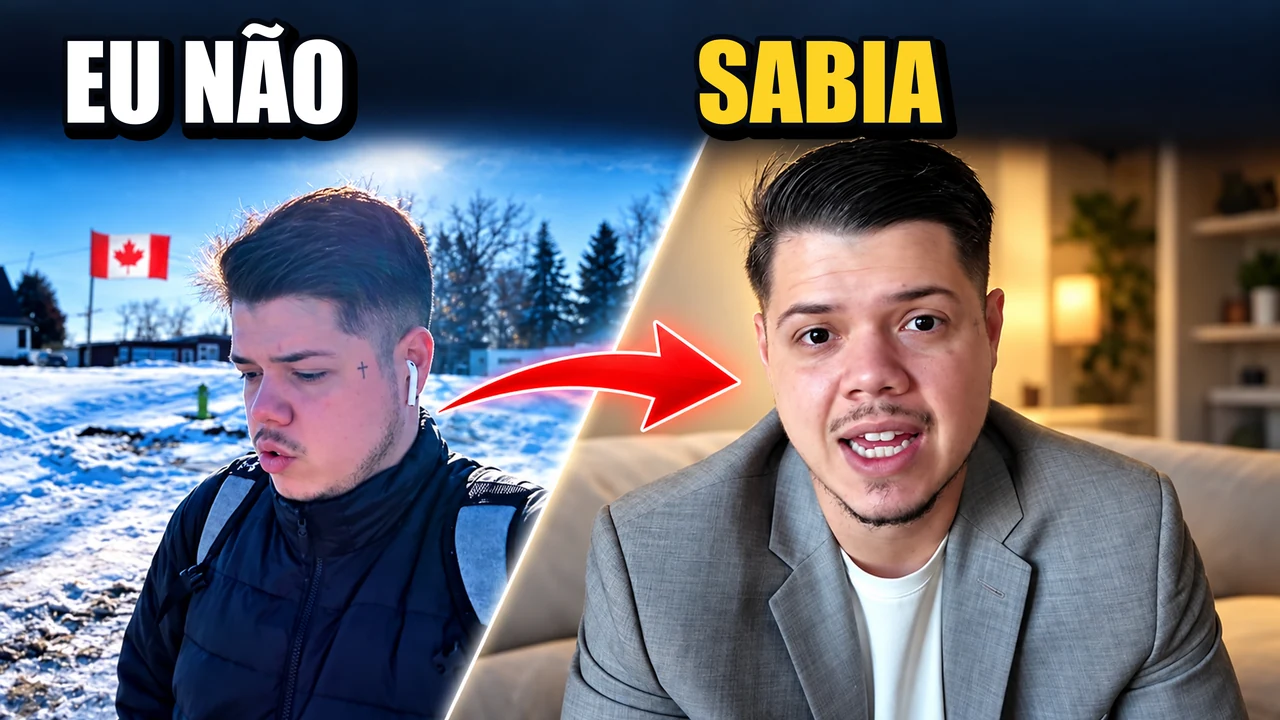
Eu faria tudo isso DIFERENTE se viesse pro Canadá hoje…
Three issues in the original
01
A broad warning
“ERROS” is loud but does not identify the four decisions.
02
A crowded list
The small checklist asks viewers to read too many topics at once.
03
Another vague command
“NÃO FAÇA ISSO!” adds a second message without naming an action.
four mistakes, one warning
CONCEPT AR01 A-r02
4 ERROS que eu NÃO cometeria se viesse pro Canadá hoje
Direct prevention
Change. A single warning headline replaces the original’s dense checklist.
Why. It frames the four first-person decisions as mistakes a new arrival can learn from.
past self ↔ present self
CONCEPT BR01 B-r02, recommended
O que eu queria ter sabido ANTES de vir pro Canadá
The hindsight gap
Change. The visual makes the presenter’s earlier uncertainty the main story.
Why. The opening supports a reflective “what I wish I knew” question without promising a guaranteed outcome.
from regret to a plan
CONCEPT CR01 C-r02
Se eu chegasse no Canadá HOJE, faria estas 4 coisas
A practical reset
Change. The same four lessons become a forward-looking plan.
Why. The video’s first-person examples support a constructive hypothetical for a new arrival.
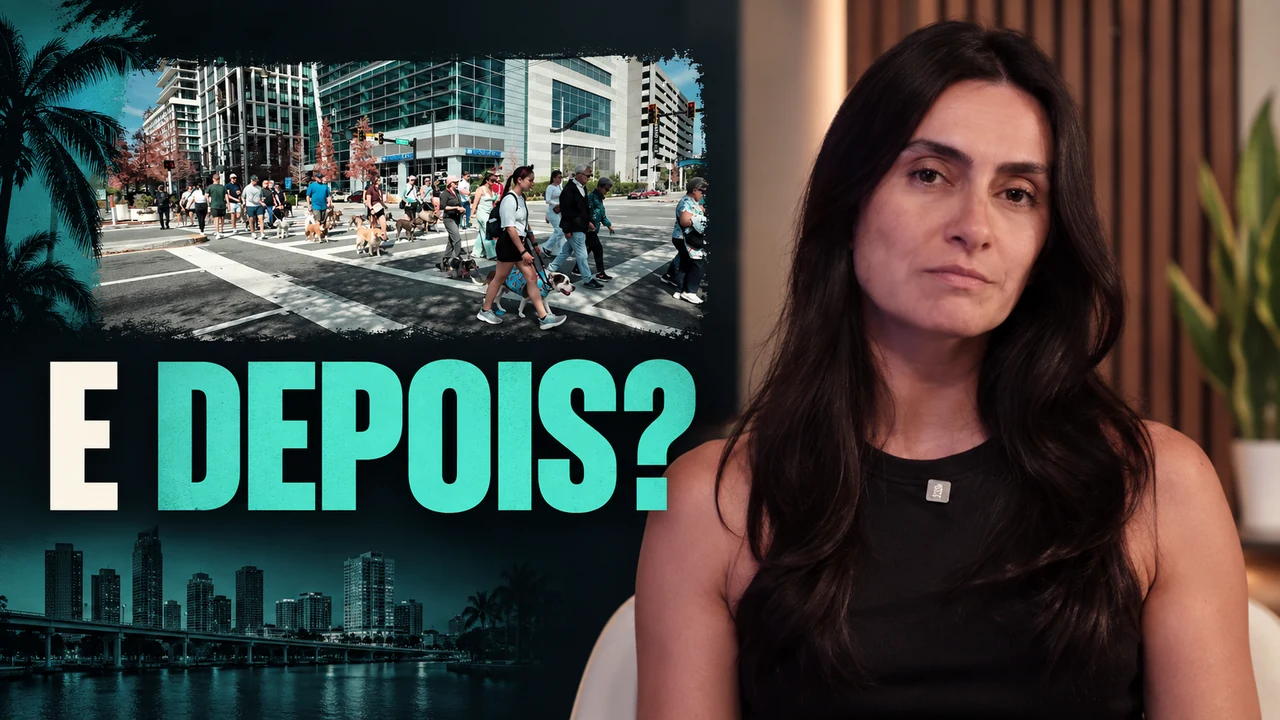
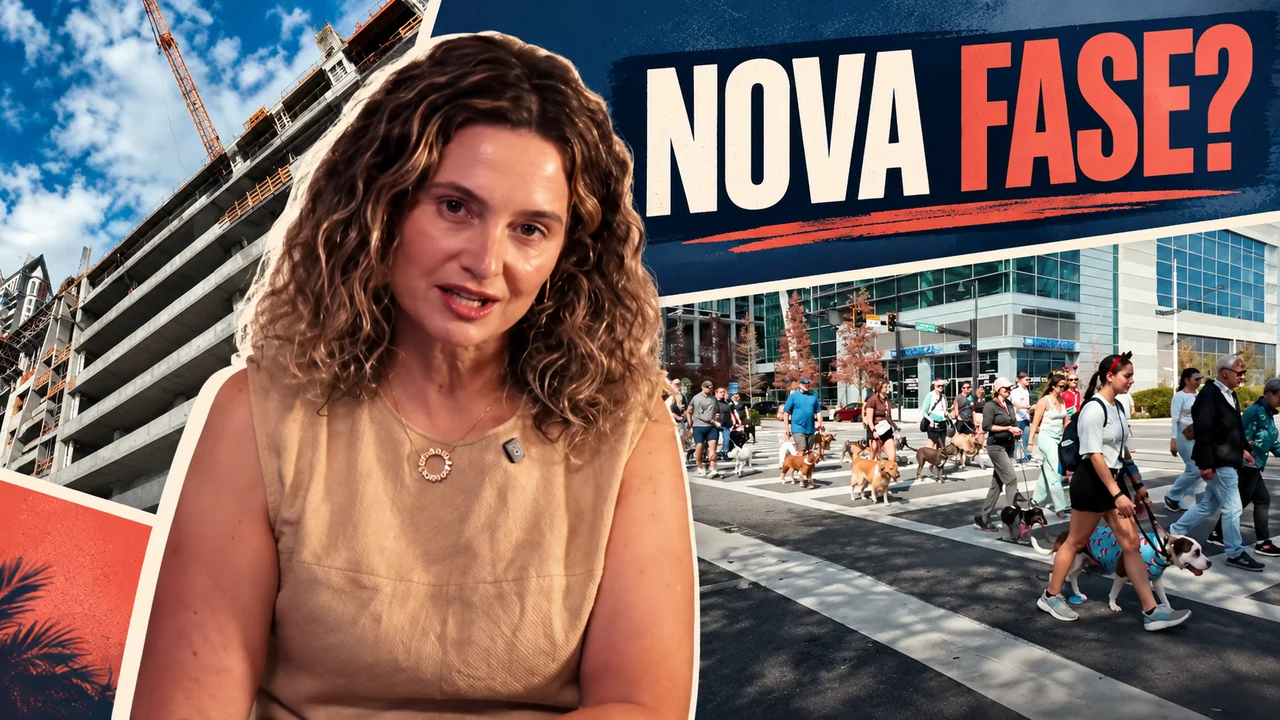
The original leads with Orlando and a broad Tampa 2026 cue. The three selected concepts focus on a prospective mover’s decision, residents’ daily life, and changes beyond construction.
WHY
The video surveys 18 developments and asks viewers to consider Tampa Bay over five, ten, and twenty years. The concepts frame possible effects as questions because some projects and outcomes remain uncertain.
Selected evaluation concepts. These images contain AI-treated portraits whose likeness has not been verified. They were not creator-endorsed, uploaded, or live-tested; the scenes do not document completed future projects.
THE CAPTURED ORIGINALTHREE DIRECTIONS
3 things to fix
ORIGINALCaptured source
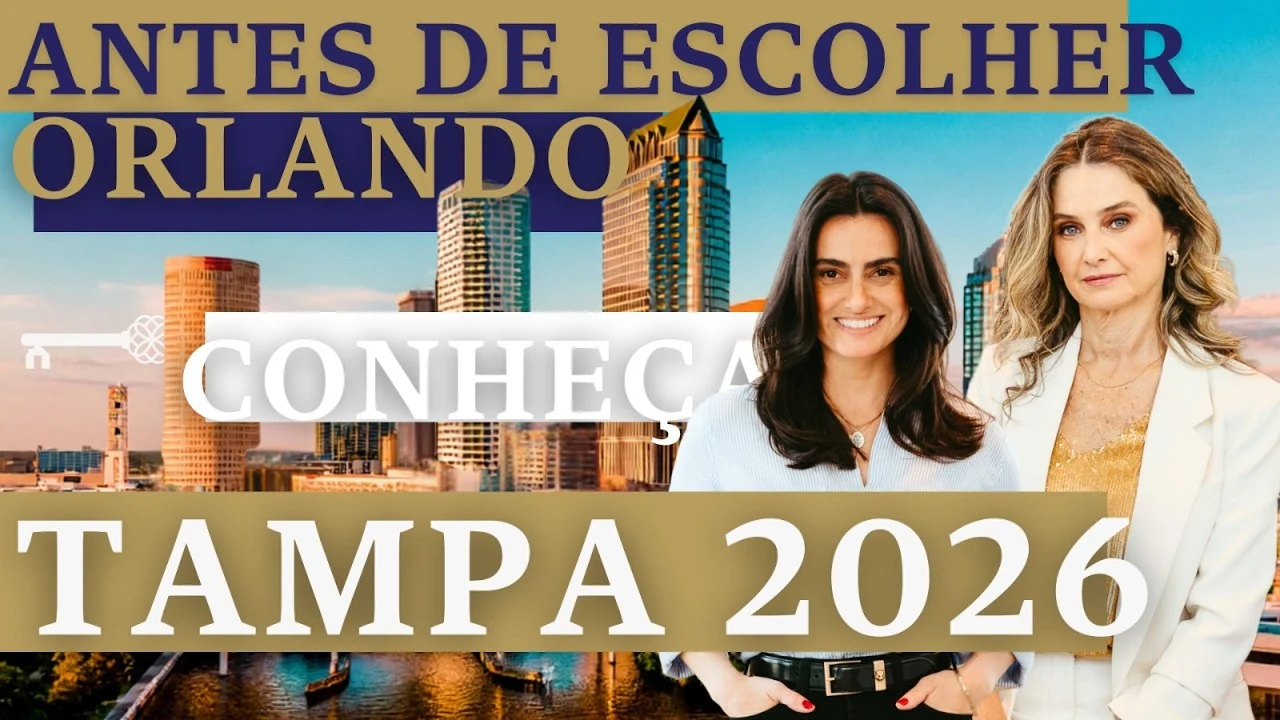
Tampa está mudando: 18 novidades que você precisa conhecer
Three issues in the original
01
The wrong lead
Orlando leads, but this video is about Tampa’s 18 changes.
02
A hidden key word
“CONHEÇA” is partly covered by the presenters.
03
The missed hook
“TAMPA 2026” dominates while the 18-change hook is missing.
a decision across time
CONCEPT AUser-selected A
Você moraria em Tampa Bay sem conhecer estas 18 mudanças?
The future-life question
Change. The Orlando lead becomes a question about living with Tampa Bay’s changes over time.
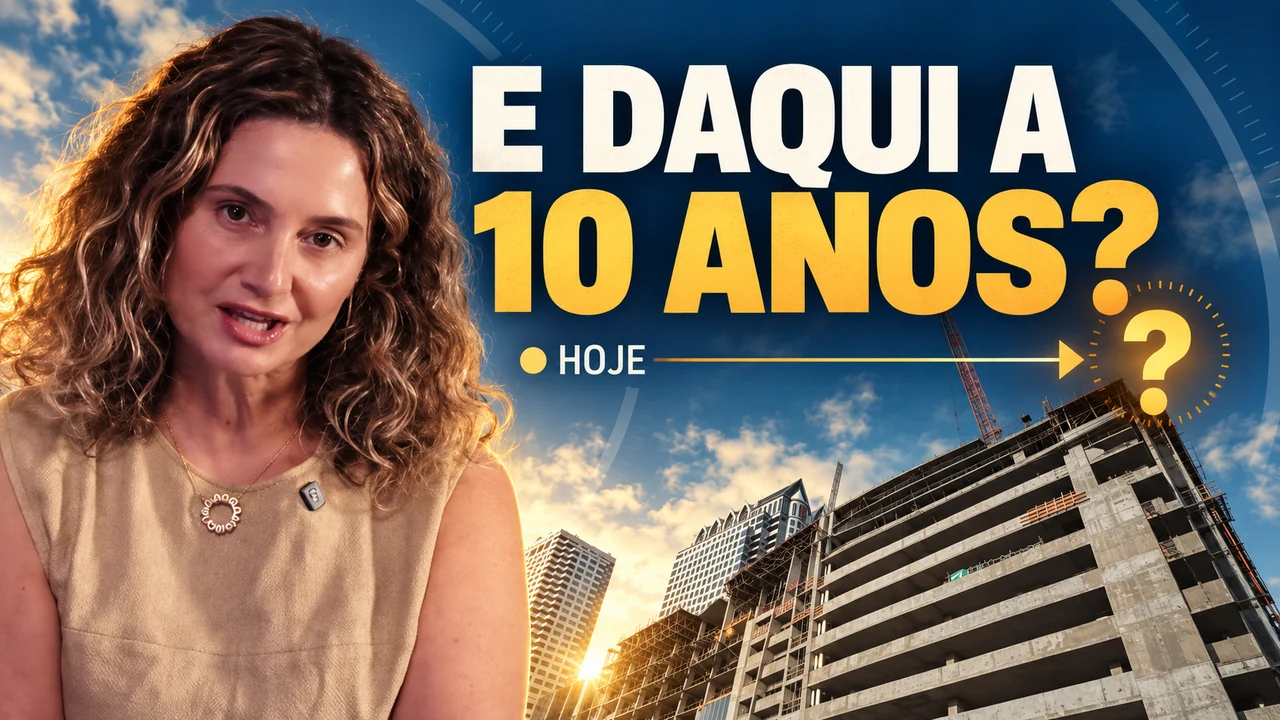
Why. The video closes with a five-, ten-, and twenty-year decision lens; ten years is a question, not a forecast.
what happens to daily life?
CONCEPT BUser-selected B
Tampa Bay está crescendo — mas como fica a vida de quem mora lá?
The resident-impact question
Change. Growth becomes the setup for a question about residents’ daily experience.
Why. The video connects developments to living in the area, without predicting every effect on residents.
more than construction
CONCEPT CUser-selected C
18 mudanças em Tampa Bay: o que existe além dos novos prédios?
Beyond the buildings
Change. The title shifts from buildings alone to the wider urban-life story.
Why. Mobility, neighborhoods, and amenities appear in the video, while future project outcomes remain open.
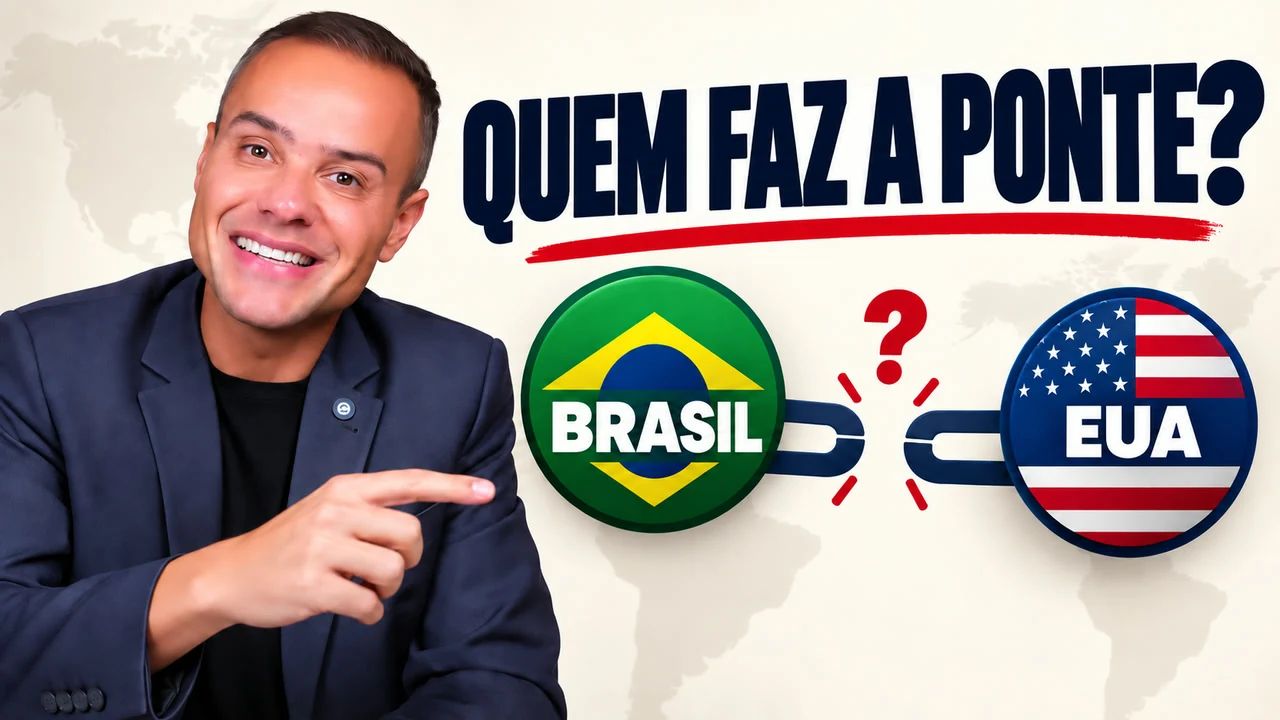
The deadline-led original became three questions about attention across Brazil and the US, the reported request for one place to ask, and coordination between the two sides.
WHY
The presenter describes a client request for simpler support across both countries. The redesigns frame that discussion as questions, not proof of completed service coverage.
Provisional concept. The publisher has not confirmed present service scope or validated the source video’s tax and deadline statements.
THE CAPTURED ORIGINALTHREE DIRECTIONS
3 things to fix
ORIGINALCaptured source
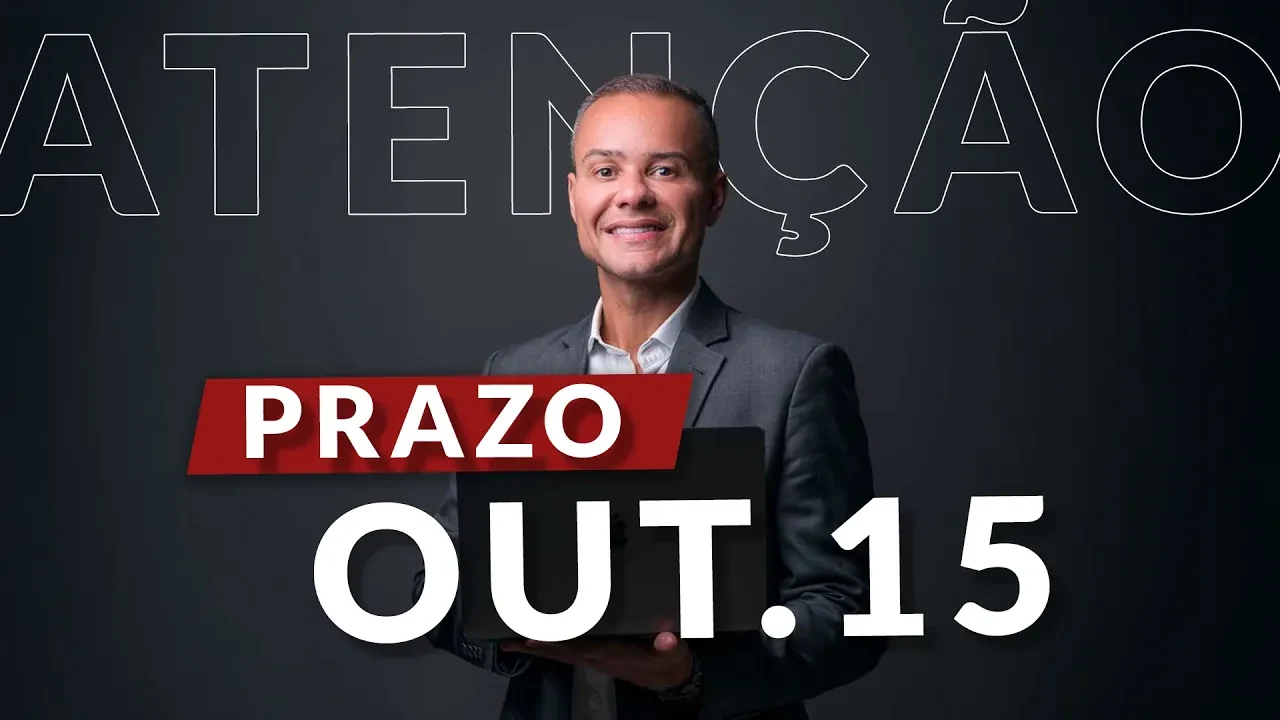
PRAZO FINAL 15 DE OUTUBRO: DECLARAÇÃO DE IMPOSTOS NOS EUA — VOCÊ ESTÁ PREPARADO?
Three issues in the original
01
A vague alarm
“ATENÇÃO” is large but does not say what viewers will learn.
02
Urgency leads
“PRAZO” foregrounds a deadline over the two-country discussion.
03
Date without context
“OUT.15” dominates without explaining the deadline in the image.
shift the attention
CONCEPT AR05 A, carried from R03
Impostos nos EUA: quem está olhando também para o Brasil?
The overlooked side
Change. The question redirects attention from one country to the other.
Why. The video introduces a two-country service discussion, while leaving specific tax obligations open.
two places, one question
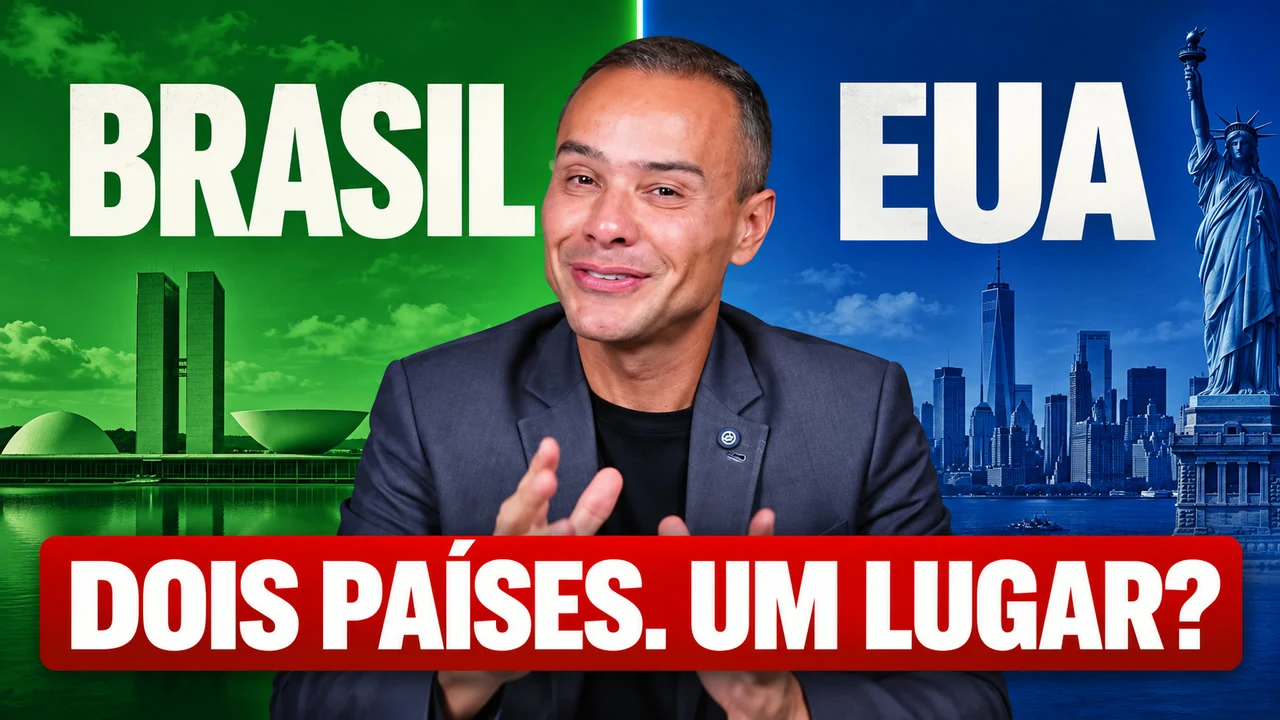
CONCEPT BR05 B, user-selected artwork
Por que clientes pediram apoio fiscal para Brasil e EUA no mesmo lugar?
The client request
Change. A split Brazil/US composition puts the presenter between both contexts.
Why. The title reflects the reported request for a simpler one-place discussion, not verified current service capacity.
make coordination visible
CONCEPT CR05 C, carried from R04
Seus impostos cruzam Brasil e EUA. Seu atendimento também?
The missing bridge
Change. A simple diagram asks whether support connects the two jurisdictions.
Why. It illustrates a possible coordination need without asserting that an actual client case failed.